
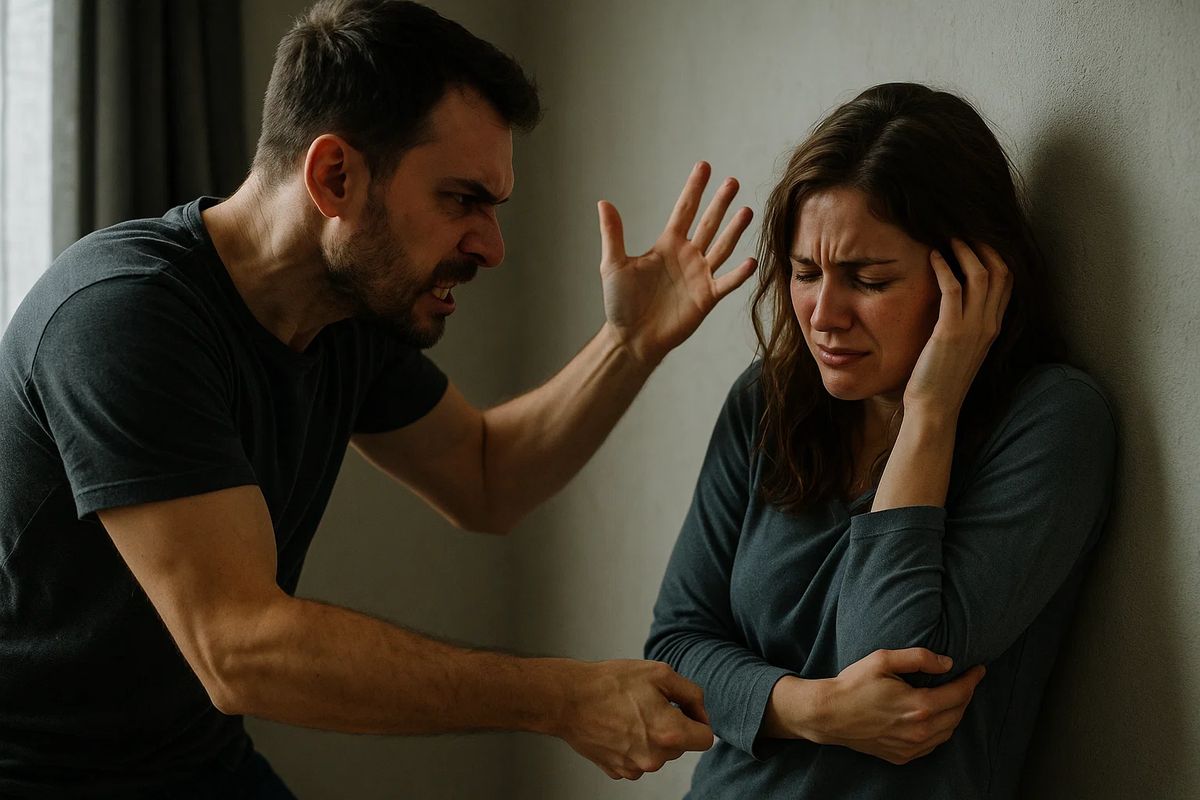
Domestic violence is a serious social and legal issue in India. It can affect a woman’s physical health, emotional well-being, financial independence, and personal dignity. Domestic violence is not limited to physical assault. It can also include sexual abuse, verbal abuse, emotional cruelty, economic abuse, and harassment related to unlawful dowry demands.
Indian law provides several protections for women experiencing violence within domestic relationships. The main legislation is the Protection of Women from Domestic Violence Act, 2005, which provides remedies such as protection orders, residence orders, monetary relief, custody orders, and compensation.
Understanding domestic violence laws in India can help women recognise their legal rights and learn how to seek assistance. This guide explains the law, available remedies, complaint procedures, and sources of legal support.
What Is Domestic Violence Under Indian Law?
The Protection of Women from Domestic Violence Act, 2005, defines different forms of abuse that may constitute domestic violence. The Act is designed to protect women facing violence within a domestic relationship.
Domestic violence may take several forms:
1. Physical Abuse
Physical abuse includes acts that cause bodily pain, injury, or danger to a woman’s health and safety. Examples may include hitting, pushing, beating, or other forms of physical assault.
2. Sexual Abuse
Sexual abuse includes conduct that abuses, humiliates, degrades, or otherwise violates a woman’s dignity in circumstances covered by the law.
3. Verbal and Emotional Abuse
Repeated insults, humiliation, threats, name-calling, and other conduct that causes emotional harm may fall within the legal definition of domestic violence, depending on the circumstances.
4. Economic Abuse
Economic abuse may include unlawfully restricting access to financial resources, withholding necessary household expenses, or interfering with property and resources to which a woman is legally entitled.
5. Dowry-Related Harassment
Harassment connected with unlawful dowry demands may also constitute domestic violence. Depending on the facts, separate criminal provisions may apply.
Domestic violence does not always involve visible injuries. Emotional and economic abuse can also have serious consequences and may justify legal protection.
Important Law: Protection of Women from Domestic Violence Act, 2005
The Protection of Women from Domestic Violence Act, 2005, came into force on 26 October 2006. It provides a legal framework for protecting women who experience domestic violence.
The Act allows an aggrieved woman to seek different types of relief through the appropriate legal process. It also establishes responsibilities for Protection Officers and provides for assistance from service providers and other relevant authorities.
The Act covers women in domestic relationships, subject to its legal definitions and requirements. A domestic relationship can arise through marriage, a relationship in the nature of marriage, family relationships, or other arrangements covered by the statute.
The legal protection available in a particular situation depends on the relationship, the alleged conduct, and the relevant facts.
Women’s Legal Rights Under the Domestic Violence Act
The Act provides several important remedies.
1. Right to Protection
Under Section 18, a Magistrate may issue a protection order when the statutory requirements are met. Such an order can prohibit the respondent from committing domestic violence and may include other restrictions authorised by law.
The purpose is to protect the woman from further abuse and reduce the risk of continued harassment or intimidation.
2. Right to Reside in a Shared Household
Section 17 recognises a woman’s right to reside in a shared household, subject to the Act and applicable judicial interpretation.
This right is important because a woman may face pressure to leave the home after reporting abuse. Ownership of the property is not the only factor relevant to determining residence rights.
Under Section 19, a Magistrate may also issue appropriate residence orders. Depending on the circumstances, these may address dispossession, access to the shared household, or alternative accommodation and related requirements permitted by law.
A residence order does not automatically transfer ownership of a property. The precise relief depends on the court’s order and the circumstances of the case.
3. Right to Monetary Relief
Section 20 allows a Magistrate to grant monetary relief where appropriate. Depending on the case, this may include expenses arising from domestic violence, loss of earnings, medical expenses, maintenance, or other financial losses recognised by the Act.
The court considers the relevant facts and legal requirements before determining the relief.
4. Right to Child Custody Relief
Under Section 21, the court may make temporary custody arrangements concerning children in appropriate cases.
The court considers the circumstances and the welfare of the child when determining suitable arrangements.
5. Right to Compensation
Section 22 allows the court to award compensation and damages for injuries, including mental torture and emotional distress, caused by domestic violence, where the statutory requirements are satisfied.
6. Right to Urgent or Interim Relief
Section 23 empowers a Magistrate to grant interim orders and, where legally justified, ex parte orders. An ex parte order may be passed without hearing the other side at that stage, subject to the legal requirements.
This provision can be important when urgent protection is necessary.
How to File a Domestic Violence Complaint in India
Women experiencing domestic violence can seek assistance through the appropriate authorities. The process may vary depending on the nature of the abuse and the relief required.
Step 1: Prioritise Immediate Safety
If there is an immediate threat of violence, move to a safer place if possible and contact emergency services. In India, 112 is the nationwide emergency number.
Step 2: Contact the Police or a Protection Officer
A woman may approach the police, the designated Protection Officer, or another appropriate support service. A Protection Officer can provide information and assistance with the procedures available under the Domestic Violence Act.
Step 3: Record Relevant Information
Where it is safe to do so, keep relevant information such as dates of incidents, messages, medical records, photographs, financial records, or details of witnesses.
Evidence may help explain the circumstances, but a woman should not put herself in danger to collect it.
Step 4: Apply to the Appropriate Magistrate
Under Section 12, an application seeking relief under the Act may be presented to the Magistrate by the aggrieved person, a Protection Officer, or another person permitted by law on her behalf.
The application can request appropriate relief based on the circumstances, such as protection, residence, monetary assistance, custody, or compensation.
Step 5: Follow the Court Process
The court considers the application and may issue notices, hear the parties, examine the material, and pass appropriate orders. Interim relief may also be available where the legal requirements are met.
Women should consult a qualified lawyer or legal aid service to understand the procedure applicable to their case.
Can a Woman Seek Help Without a Lawyer?
Yes. A woman does not necessarily need to hire a private lawyer before seeking information or assistance.
Protection Officers and recognised service providers may help explain the process and connect women with relevant services. Women may also approach the Legal Services Authority for free legal aid.
Under the Legal Services Authorities Act, 1987, women are among the categories eligible to seek legal services, subject to the applicable statutory framework.
Free legal assistance may include legal advice, help preparing documents, and representation in court where provided under the legal aid system.
The National Legal Services Authority (NALSA) operates a toll-free legal aid helpline at 15100. Women can also approach the relevant District Legal Services Authority or State Legal Services Authority.
What Happens if a Protection Order Is Violated?
A court-issued protection order must be followed. Section 31 of the Protection of Women from Domestic Violence Act, 2005, addresses the offence of breaching a protection order or an interim protection order.
If a woman believes that a protection order has been violated, she should report the incident to the appropriate authorities and seek legal assistance about the next steps.
The consequences depend on the applicable legal provisions and the facts of the case. A violation should not be ignored merely because the original application is still part of a broader domestic dispute.
Other Laws That May Apply to Domestic Violence
The Domestic Violence Act is not the only law that may be relevant.
Depending on the facts, other legal provisions may address physical assault, criminal intimidation, cruelty, dowry-related offences, or other conduct.
The Bharatiya Nyaya Sanhita, 2023, contains criminal provisions relating to various offences, including specified offences involving cruelty and dowry-related conduct.
Different proceedings may serve different purposes. A protection application under the Domestic Violence Act and a criminal complaint are not necessarily the same process.
A qualified lawyer can help identify which laws and remedies may apply in a particular situation.
Domestic Violence Support Services in India
Women experiencing abuse may need legal assistance as well as emergency, medical, emotional, or shelter support.
Important support options include:
- Emergency assistance: Call 112 if there is an immediate threat to safety.
- Women Helpline: Call 181 for information and assistance, subject to the services available in the relevant area.
- Free legal aid: Contact NALSA at 15100 or approach the nearest District Legal Services Authority.
- Protection Officer: Contact the designated officer for information about remedies under the Domestic Violence Act.
- Medical assistance: Seek medical care when necessary and request appropriate documentation of injuries where relevant.
In Delhi, the Department of Women and Child Development is the nodal department for implementing the Domestic Violence Act. Women can seek information about local Protection Officers and available support services through the appropriate government department.
Conclusion
Domestic violence laws in India provide important legal protections for women facing physical, sexual, verbal, emotional, or economic abuse. The Protection of Women from Domestic Violence Act, 2005, enables eligible women to seek protection orders, residence orders, monetary relief, custody arrangements, compensation, and other remedies available under the law.
Knowing these rights can help women understand their options and access appropriate support. Women experiencing domestic violence do not have to navigate the legal system alone. Protection Officers, legal aid institutions, and relevant support services can help them understand the available procedures.
If someone is in immediate danger, safety should come first. For legal advice about a particular case, consult a qualified lawyer or the relevant Legal Services Authority.
Frequently Asked Questions (FAQs)
1. Which law protects women from domestic violence in India?
The Protection of Women from Domestic Violence Act, 2005, is the principal law providing civil protection and related remedies for women experiencing domestic violence.
2. Does domestic violence include emotional abuse?
Yes. Verbal and emotional abuse can fall within the Act’s definition of domestic violence, depending on the conduct and circumstances.
3. Can a woman seek residence rights if the house is not in her name?
Section 17 recognises a right to reside in a shared household, subject to the Act and applicable judicial interpretation. Residence rights do not automatically establish property ownership.
4. Can a woman receive financial assistance under the Domestic Violence Act?
A Magistrate may grant monetary relief under Section 20 where the legal requirements are met. The relief depends on the facts and the court’s assessment.
5. Is free legal aid available to women?
Yes. Women can approach the relevant Legal Services Authority to seek free legal aid under the Legal Services Authorities Act, 1987.
6. What number should a woman call in an emergency?
Call 112 for emergency assistance in India. The Women Helpline number is 181 for information and support.
7. Can a woman seek help without first filing a police complaint?
A woman can seek information and assistance from a Protection Officer or legal aid service. The appropriate steps depend on the relief sought and the circumstances.